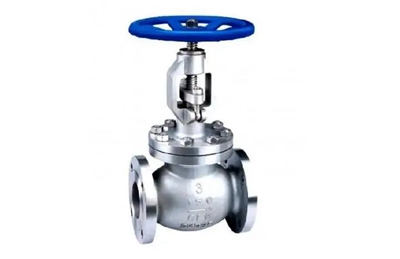
詳細介紹
工業(yè)閥門不作強度試驗,但可以通過試壓方法解決調試過程
?
通常情況下,工業(yè)閥門在使用時不作強度試驗,但修補過后閥體和閥蓋或腐蝕損傷的閥體和閥蓋應作強度試驗。對于安全閥,其定壓和回座壓力及其他試驗應符合其說明書和有關規(guī)程的規(guī)定。閥門安裝之前應在閥門液壓測試臺.上作閥門強度試驗和閥門]密封試驗。低壓閥門]抽查20%,如不合格應100%的檢查;中、高壓閥門應100%的檢查。閥門]試壓常用的介質有水、油、空氣、蒸汽、氮氣等,各類工業(yè)閥門含氣動閥門的試壓方法如下:
1、截止閥和節(jié)流閥的試壓方法
截止閥和節(jié)流閥的強度試驗,通常將組裝好的閥門門放在試壓架中,打開閥瓣,注入介質至規(guī)定值,檢查閥體和閥蓋是否冒汗和滲漏。也可單件進行強度試驗。密封性試驗只做截止閥。試驗時截止閥的閥桿成垂直狀態(tài),閥瓣開啟,介質從閥瓣底下一端引入至規(guī)定值,檢查填料和墊片處;待合格后關閉閥瓣,打開另一端檢查是否有滲漏。如果閥門強度和密封性試驗都要做時,可先做強度試驗,然后降壓至密封性試驗規(guī)定值,檢查填料和墊片處;再關閉閥瓣,打開出口端檢查密封面是否滲漏。
2、閘閥的試壓方法
閘閥的強度試驗與截止閥一樣。閘閥的密封性試驗有兩種方法。
①閘板開啟,使閥內壓力升至規(guī)定值;然后關閉閘板,立即取出閘閥,檢查閘板兩側密封處有否滲漏或者直接往閥蓋.上的堵頭內注入試驗介質至規(guī)定值,檢查閘板兩側密封處。以上方法叫做中間試壓。這種.方法不宜在公稱通徑DN32mm以下的閘閥做密封試驗。
②另一種方法是將閘板開啟,使閥門試驗壓力升至規(guī)定值;然后關閘板,打開-端盲板,檢查密封面是否滲漏。再倒頭,作以上重復試驗至合格為止。氣動閘閥填料和墊片處密封性試驗應在閘板密封性試驗之前進行。
3、球閥的試壓方法.
氣動球閥的強度試驗應在ball valve球體半開狀態(tài)下進行。
①浮動式球閥密封性試驗:將閥處于半開狀態(tài),-端引入試驗介質,另-端封閉;將球體轉動幾次,閥門處于關閉狀態(tài)時打開封閉端檢查,同時檢查填料和墊片處密封性能,不得有滲漏現(xiàn)象。然后從另一端引入試驗介質,重復上述試驗。
②固定式球閥密封性試驗:在試驗前將球體空載轉動幾次,固定式球閥處于關閉狀態(tài),從一端引人試驗介質至規(guī)定值;用壓力表檢查引入端密封性能,使用壓力表精度0.5~1級,量程為試驗壓力的1.6倍。在規(guī)定時問內,沒有降壓現(xiàn)象為合格;再從另一端引入試驗介質,重復上述試驗。然后,將閥門處于半開狀態(tài),兩端封閉,內腔充滿介質,在試驗壓力下檢查填料和墊片處,不得有滲漏。
③三通球閥應在各個位置上進行密封性試驗。
4、旋塞閥的試壓方法
?旋塞閥進行強度試驗時,介質從一端引入,封閉其余通路,將塞子依次旋轉到全開的各工作位置進行試驗,閥體未發(fā)現(xiàn)滲漏為合格。
Industrial valves do not undergo strength testing, but the debugging process can be solved through pressure testing methods
Normally, industrial valves are not subjected to strength testing during use, but after repair, the valve body and valve cover, or the valve body and valve cover with corrosion damage, should undergo strength testing. For safety valves, their constant pressure, reseating pressure, and other tests should comply with the instructions and relevant regulations. Before installing the valve, a valve strength test and a valve sealing test should be conducted on the valve hydraulic test bench. 20% of low-pressure valves shall be randomly inspected, and if they are found to be unqualified, 100% of them shall be inspected; Medium and high pressure valves should be 100% inspected. The commonly used media for pressure testing include water, oil, air, steam, nitrogen, etc. The pressure testing methods for various industrial valves, including pneumatic valves, are as follows:
1. Pressure testing methods for globe and throttle valves
The strength test of globe and throttle valves usually involves placing the assembled valve door in a pressure testing frame, opening the valve disc, injecting medium to the specified value, and checking whether the valve body and valve cover are sweating or leaking. Individual strength tests can also be conducted. The sealing test is only conducted on globe valves. During the experiment, the stem of the shut-off valve is in a vertical position, the valve disc is opened, and the medium is introduced from the bottom end of the valve disc to the specified value. Check the packing and gasket; After passing the inspection, close the valve disc and open the other end to check for any leakage. If both the strength and sealing tests of the valve need to be conducted, the strength test can be conducted first, and then the pressure can be reduced to the specified value of the sealing test, and the packing and gasket should be checked; Close the valve disc again and open the outlet end to check for leakage on the sealing surface.
2. Pressure testing method for gate valves
The strength test of gate valves is the same as that of globe valves. There are two methods for the sealing test of gate valves.
① Open the gate to raise the pressure inside the valve to the specified value; Then close the gate and immediately remove the gate valve. Check for any leakage at the sealing points on both sides of the gate or directly inject the test medium into the plug on the valve cover to the specified value. Check the sealing points on both sides of the gate. The above method is called intermediate pressure testing. This method is not suitable for conducting sealing tests on gate valves with a nominal diameter of DN32mm or less.
② Another method is to open the gate and raise the valve test pressure to the specified value; Then close the gate, open the blind plate at the end, and check if the sealing surface is leaking. Repeat the above test until it is qualified. The sealing test at the packing and gasket of the pneumatic gate valve should be conducted before the gate sealing test.
3. Pressure testing method for ball valves
The strength test of pneumatic ball valves should be conducted in the ball valve half open state.
① Floating ball valve sealing test: Place the valve in a semi open state, introduce the test medium at one end, and seal the other end; Rotate the ball several times and open the closed end for inspection when the valve is in the closed state. At the same time, check the sealing performance of the packing and gasket, and there should be no leakage. Then introduce the test medium from the other end and repeat the above experiment.
② Sealing test for fixed ball valve: Before the test, rotate the ball several times without load, keep the fixed ball valve closed, and introduce the test medium from one end to the specified value; Use a pressure gauge to check the sealing performance of the inlet end, with an accuracy of 0.5~1 level and a range of 1.6 times the test pressure. Within the specified time, if there is no pressure drop phenomenon, it is considered qualified; Introduce the test medium from the other end and repeat the above experiment. Then, place the valve in a semi open state, seal both ends, and fill the inner chamber with medium. Check the packing and gasket under test pressure to ensure there is no leakage.
③ Three way ball valves should undergo sealing tests at various positions.
4. Pressure testing method for plug valves
When conducting a strength test on a rotary plug valve, the medium is introduced from one end, the other channels are closed, and the plug is sequentially rotated to the fully open working positions for testing. If no leakage is found in the valve body, it is considered qualified.